Scaling and restoration of the tooth root surface
October 5, 2020

Material Chart
- What are the root surface restoration and tooth scaling?
- Why should the surface of the root of the tooth be treated and rectified?
- Symptoms demonstrating the need for scaling of tooth root surface and restoration
- The aim of scaling and restoration of the tooth root surface
- Scaling and teeth purgation steps
- What are the actions taken throughout the root surface restoration and scaling?
- Implications following scaling and root planning
- Avoid the need for teeth scaling
- How much would it cost to scale and restore the tooth’s root surface?
What you will read in this article :
show
What are the tooth scaling and restoration of the root surface?
Root planning and scale procedure are profound and advanced cleaning beneath the gum line, carried out by a dentist throughout the care of gingivitis.
Why the scaling and restoration of the root canal is indispensable?
Gum diseases are triggered by the sticky coating of the dental plaque, which includes several microbes. On the tooth ground, the dental plaque frequently grows.
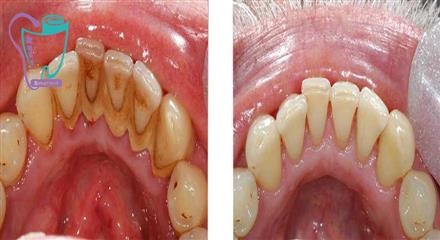
If a tooth-plaque is not cleared (the dental plaque is cleaned from the tooth surface through a regular and effective oral sanitation program), dental plaque bacteria result in gingivitis.
When you don’t wipe off your dental plaque, the gums shift away from your teeth, and a gap between the teeth and the gums is created that is called a periodontal pocket. In the tooth pocket, tooth plaque is embedded.
Plaques put in this chamber are not replaced by oral hygiene services. Progression of left untreated gum disorder results in tooth and bone deterioration.
Some indications suggest that the surface of the tooth scaling and restoration is indispensable
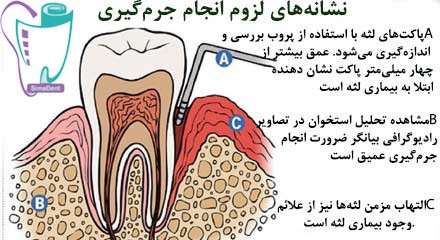
Some of the symptoms recommending that the teeth must be scaled, are the following items:
Plaque extension along the gum line:
this is identified through x-rays of the tooth or during the clinical tests. If the mass collected in the lower sections cannot meet with an ordinary scaler, deep scaling should be carried out.
Deep envelopes construction surrounding the tooth neck (collar):
the bottom of the envelopes should be reached and the scaler pushed upwards.
One or two teeth are loosening and shifting because of bone destruction:
the elastic mass and plaque removed some part of the bone in this disorder. Deep scaling and extracting the plaque will minimize tooth loosening, meaning the tooth is more secure.
Gingival and dental abscesses:
With the construction of an abscess surrounding the tooth, the gums become swollen and painful to the touch. Extreme scaling tends to remove the slag collected beneath the gums to alleviate the discomfort and pressure induced.
The aim of the tooth root surface scaling and restoration
The aim of the scaling procedure is the prevention of infection and the clearance of bacteria stuck to the tooth and the root under the gingiva. Deep scaling is achieved by some hand instruments such as scaler and ultrasound equipment.
Teeth scaling and purgation steps
Skilled and advanced tooth cleaning to heal the early signs of gingivitis
Qualified and professional cleansing of teeth can be undertaken where gum disease is detected early and properties in the sub-teeth have not been damaged.
Root surface scaling and restoration to remedy the progressed gingivitis
If your teeth’s periodontal pockets are large, it will require root surface scaling and restoration. In patients with chronic periodontitis (severe gingivitis), root surface scaling and restoration are beneficial (chronic periodontitis is a progressive gum disorder that develops after gingivitis (mild gingivitis).
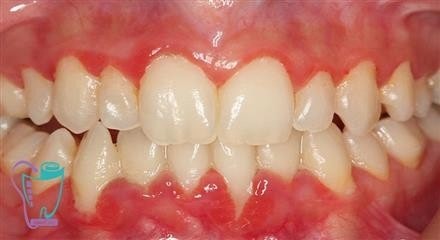
What measures are taken throughout scaling and restoration of the root surface?
Intensive and advanced oral cleaning has two components:
Root surface scaling and restoration
During this portion of the procedure, the dentist extracts dental plaques and debris (stiffened and mineralized dental plaque) from the upper and lower part of the gum line and assures that the dental pockets are thoroughly cleaned.

Your dentist can do root planning after finishing the scaling phase. Throughout this point of operation, the root surface of the tooth is fully smoothed, and the harshness of which is restored to enable the gums to bond to the root of the tooth. Root surface scaling and restoration may require longer than one course, and topical anesthesia may be conducted depending on the situation.
Post- scaling considerations and root planning
You may experience pain for one or two days after comprehensive and advanced cleaning and your teeth could be sensitive for one week. Also your gums can swell, become tender and bleeding. Your doctor will administer a specific pill or mouthwashing to avoid infection and abscesses of the teeth, and gums, to manage the pain and to help cure tissues surrounding the teeth. Some drugs, for example the antimicrobial dosage of doxycycline, are sometime inserted into the periodontal pocket by the dentist. Your doctor, on the other side, will prepare for another opportunity to follow the process of gum tissue healing and measure the periodontal pocket depth. Further therapies are required if the pockets have deepened.
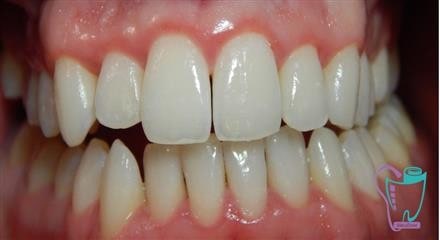
Prevention of the need for scaling
The emergence or recurrence of gingivitis is avoided by oral hygiene in the home:
Brush with a gentle bristle brush your teeth twice a day.
Floss once a day your teeth intra-space.
Feed a well-equilibrated diet.
Stop smoking.
Regularly see the doctor.
How much would it cost to restore the surface of the root canal?
For any of the four areas of the mouth, the expense of profound scaling can be up to three times greater than standard scaling when plates are withdrawn from the top of the gum line and the enamel is polished.

Dr. Masoud Davodian (orthodontist) has more than 12 years of specialized experience in treating all kinds of dental and jaw abnormalities. In addition to having a specialized board, he was a member of the board of directors of Iranian orthodontists and the founder of the Young Orthodontists Association.