Gingival resorption
September 26, 2020
- Gingival resorption triggers
- Signs of decline and degeneration in gingival
- Gingival resorption management
- Steps to avoid resorption of gum
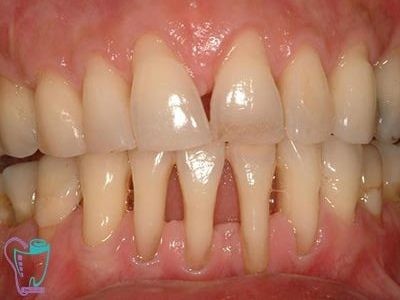
Stable gingival tissue should usually be concave parallel to the crown and the papilla ought to be upwards between the two teeth.
If the gums have decayed, a tooth coating is never subjected to environmental causes and vulnerable to sensitivity, staining, and decay. This section of the tooth is called cement and is mainly yellow. Generally, the crown’s white enamel is the last component to be clear, and the gum tissue can adequately cover the tooth cement.
Restoration and treatment of gingival resorption
What you will read in this article :
show
Gingival resorption triggers
The only approach to stop and postpone invasive removal of gingival tissue is to consider the origin of gingival resorption. Several risk factors can contribute to faster resorption, while others cause slower resorption of gum. Any of the leading causes contributing to gingival resorption are:
Periodontal disorder:
gum and supportive tissue disorder removes the gingival tissue from the surface of the tooth, contributing to the development of deep gingival pockets, and resorption of the gingiva.
Hard and vigorous brushing of teeth:
brushing too hard or using a tight toothbrush may cause gums to retract and decay.
This disease exists typically along the cuspids and front teeth in the corners of the mouth. Repeated brushing and grinding of the teeth may contribute to the abrasion of the enamel joints and even to the degradation of sensitive gum tissue. Therefore, use a gentle toothbrush and exert sufficient pressure to gradually shine the tooth tissue and gingiva.
Smoking:
Smoking and non-smoking can contribute to sever resorption of the gingiva.
Dental care deficiency:
dental degradation or gingival disease may trigger sever issues due to any visible symptoms. Gingival resorption is exacerbated by left untreated decay, incomplete tooth cleaning, and chronic gingival disorders.
Unusual teeth:
: unusual teeth are more likely to resorb the gingiva. Typically, one or two crooked teeth are susceptible to gingival resorption. The gum tissue is pushed in the opposite direction, or the tooth is afflicted with unnecessary pain. Misalligned teeth can also give the teeth more plaque and daily brushing and flossing can difficult to clean them and may gradually contribute to gum disease and decay.
Piercing the lips or tongues:
chronic inflammation results from the lip or tongue piercing, and inserting foreign items may contribute to gum tissue falling out of place and dental surfaces being bare.
Genetic influences:
: Individuals whose ancestors are often vulnerable to disease could have persistent gingival resorption due to gingivitis or dental malformation. From parent to the infant will transfer bacteria, and anatomic features may be inherited.
Quick orthodontics:
excessive rapid movement of teeth throughout orthodontic therapy can induce gingival resorption due to the inability of the body to adjust to fast dental motion. The gradual motion of the teeth preserves a safe surface of the bone and natural gingival surface.
In the Simadent Dental Center, we use gingival transplants to restore and avoid the harm triggered by gingival resorption. Numerous forms of gingival transplants are available. The most popular form of transplantation is to use the mouth roof (palate). We detach a flap from the palate’s surface and then insert the palate tissue beneath the flap. If the gums are already lean and thin, we will directly extract the adhesive tissue from the palate. However, if you have plenty of gum tissue around your tooth, we will cut a flap from which, and use it to protect the uncovered tooth base.
Indications of recession and gingival degeneration
The most visible symptom of gingival resorption is the significant shift of the gingival tissue down the tooth base, allowing the yellow cement of the tooth to emerge. There are some manifestations of gingival resorption, but typically the root canal appears. The region of gingival resorption can be limited to one tooth or section of the mouth or distributed across the mouth based on the risk factor for gingival resorption.
Any of the typical symptoms of this disorder contributing to resorption of gingival including:
- Sensitivity of Gingiva
- The yellow appearance of the root of the tooth
- Teeth staining
- Decay sensitivity
- Broad teeth
- Void areas of teeth
- Stuck food fragments
Gingival resorption care
Ginigival transplantation assists in tissue development. One of the key benefits is that it will secure the roots from deterioration. The enhancement of the appearance of the teeth is another benefit of this approach. There are many kinds of gingival transplantion procedures, such as:
Free gingival transplantion:
The usage of palate tissue is essential for this form of transplantation. This technique extracts the connective tissue from the palate and transplants it to the treated position. This procedure is generally used by individuals with fragile gums who require more tissue to attach to their gums.
Transplantation of connective tissue:
: this is the most effective care procedure for uncovered tooth roots. The conjunctive tissue is extracted from two positions in this procedure. Besides, a flap is derived from the sub-epithelial tissue and applied to the treated region, which is usually separated from the palate.
Ground graft:
in this procedure, the graft tissue is removed from the portion near where the graft is required, unlike extracting connective tissue from the palate. This surgery is named the foundation of the unique flap. To hold one of its sides fixed to its position, the graft base is removed. The gum is then pulled down, and the tooth is hidden. This treatment is only performed where the gingival tissue is adequate.
Acts to avoid resorption of gingival
We can have guidance for your rehabilitation after completing this procedure at the specialist dental clinic of Simadent. – These guidelines are usually somewhat close to the guidelines for tonsillectomy or extracting of the wisdom-teeth. You should consume soft, cool meals and relax for one to two weeks after surgery, avoiding vigorous physical exercises. Medication can also be recommended if needed.
The only approach to handle gingival resorption is to stop it, as with many risks and diseases. Preventive actions include:
Daily teeth cleaning:
frequent tooth decay and bacterial development, and eventually, the inflammation and resorption of the gums are avoided by brushing.
Orthodontics:
You can rectify your abnormal teeth with preventive care, until gingival resorption becomes noticeable, but you won’t experience gingival absorption or gingivitis.
Night Guard:
: Extreme pressure due to hard materials crushing, teeth squeezed, or teeth grinding may destroy enamel and weaken the gum. The nighttime application of a splint or bite guard (designed for you) will reduce the tooth pressure and avoid corrosion on the gums.
Soft brushing:
use a gentle toothbrush, so that more bacteria are removed. Clean and brush your teeth twice a day by putting the toothbrush at an angled position to your gums.

Dr. Masoud Davodian (orthodontist) has more than 12 years of specialized experience in treating all kinds of dental and jaw abnormalities. In addition to having a specialized board, he was a member of the board of directors of Iranian orthodontists and the founder of the Young Orthodontists Association.