Toothpaste and its oral health influence
September 21, 2020

Contents of the famous examples of toothpaste (anti-allergic, mass-cleaning, bleaching):benefits and drawbacks
Toothpaste forms an essential part of the oral hygiene system in the shape of paste, gel or powder and is used to gently remove, i.e. bacterial films accumulating on your teeth and gums. Toothpaste elevates the strength of the toothbrush to clean and mechanically wash.
What you will read in this article :
show
Toothpaste types
Anti-decay toothpaste
Fluoride substances including sodium fluoride (NaF), tin fluoride (SnF2), and monofluorophosphate (MFP2) are available in this kind of tooth paste. With 1000 ppm (particles per million) of Fluoride (or more), toothpaste will hopefully minimize the decay.

Anti-sensitivity toothpaste
This form of toothpaste’s active ingredients mitigates dential sensitivity symptoms in two main ways. Firstly, it prevents the neurons from reaction to the pain signals, and secondly, the dentinal tubules are obstructed.

The anti-sensitivity toothpaste is available in different forms, with various brands having multiple roles based on the bioactive compounds. Consequently, before preparing the anti-sensitivity toothpaste you should appoint your dentist until the dentist can diagnose the source of tooth sensitivity following a comprehensive assessment.
Anti-plaque toothpaste
This kind of toothpaste precludes plaque accumulation, lowering the impact of the gingivitis by minimizing the burden of bacterial toxins on tissues around the teeth. Several anti-plaque toothpastes are available for purchase with different bioactive compounds

Bleaching toothpaste
This toothpaste form involves abrasive substances that bleach and lighten the teeth by eliminating tooth blemishes. The effectiveness of bleaching toothpaste has not been established over the long term.

Toothpaste ingredients
The types of compounds in toothpaste include the following.
Fluoride
Fluoride itself does not impact the teeth’s brushing but tends to eliminate everyday plaque accumulating in the bacterial film on the teeth and gums. Plaque on the teeth persists depending on the severity of gingivitis and caries. Fluoride stops erosion through the strengthened enamel of the teeth.

Foam
The massive, creamy texture of sodium lauryl sulfate or soap generates a cleaning sense. The active components of the toothpaste foam surface, however, are not enough to alleviate the nasty taste of the teeth. You can note that the fragile gum tissue below these blisters is still pulverized and bloodied until they are withdrawn.
Abrasive particles
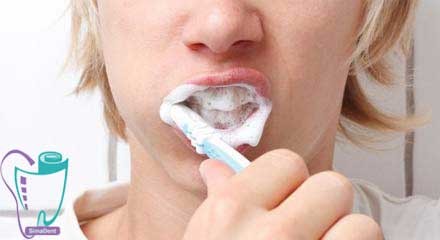
Many kinds of toothpaste utilize hydrated silica as an abrasive component, and these tiny rosary-like beads may be found in inedible packets. Silica, owing to its particle size and shape, is the bleaching agent in most kinds of toothpaste. The blanching toothpaste, nevertheless, cannot whiten teeth as much as mass-cleaning by a professional, since it just purifies the teeth surface.
Non-sensitizers
Potassium nitrate or tin fluoride applied to the toothpaste decreases the vulnerability of the tooth against stimulants, including cold, heat, sweets, and,or a mixture. Obviously, the toothpaste is a transient anti-sensitivity medication if the user damages from toothache.
Mass controller
If toothpaste has a spicy flavor, they might comprise tetra-sodium pyrophosphate, which inhibits calcium phosphate (mass) salts from collecting behind the mandibular fore teeth. The mass-cleansing toothpaste issue involves dissolving the active component in a stronger detergent than normal, so the usage of such toothpaste is unsuitable for teeth with elevated pH-sensitivity.
Triclosan
This antimicrobial agent decreases gum and teeth infections. Triclosan can have adverse effects on toothpaste, like Fluoride, but their advantages are more than just negative.

Why the toothpaste is harmful
Let’s first be explicit that toothpaste isn’t a concern, but you don’t use it correctly. The quality of toothpaste relies on how you are using it. Note that toothpaste is a cosmetic product in particular, and it does not clean the teeth on its own.

Overuse
On the toothbrush, put the pea-sized toothpaste. You can’t see the position of the teeth with so much foam.
Lack of time for brushing
Brush for a minimum of two minutes. If you trifle and don’t invest two minutes, make sure all surfaces aren’t cleaned. The scent of mouth doesn’t always imply clean teeth.
Neglect of all teeth
In two minutes, several people brush their teeth on four sections many times, but ignore the remained 60%. Remember that the toothbrush should keep in touch with all the teeth, since it is the brush tooth interaction that cleanses the teeth, and just using the toothpaste doesn’t influence the cleanliness. Plaque is an appendage to be extracted by pulverization. You cannot substitute any mouthwash, toothpaste, gel, cream, or powder with any careful brushing of your tooth.
Solution
The strategy is straightforward, use whatever you want. If you prefer toothpaste taste because it gives you an excellent sense of cleanliness, you’ll brush over and over, feel much better, and be happier.

Baking soda, chocolate oil, or your colored toothpaste or even plain water may be used. It is necessary to brush correctly many times a day.

Dr. Masoud Davodian (orthodontist) has more than 12 years of specialized experience in treating all kinds of dental and jaw abnormalities. In addition to having a specialized board, he was a member of the board of directors of Iranian orthodontists and the founder of the Young Orthodontists Association.