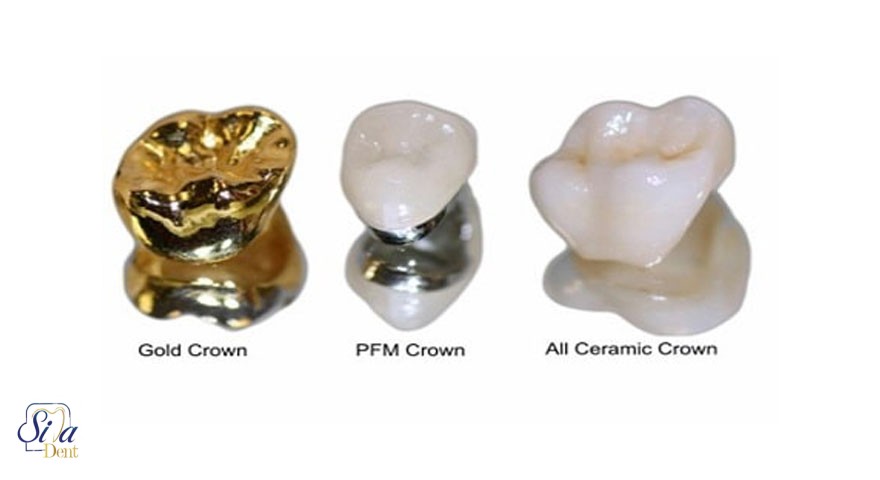
Restoration and treatment of fractured or cracked teeth
September 28, 2020

To avoid more injury, treat cracks or fractures of your teeth
Material Chart:
- How do you feel your teeth are fracturing?
- Why do your teeth crack?
- Diagnostic evaluation
- How the cracking and fracturing tooth is treated?
- How do you stop fractured and cracked teeth?
- How much would a fractured and cracked tooth cost to treat?
Chewing food will trigger the tooth to transfer the fractured parts that activate the pulp in turn. Often, the tooth crack closure rapidly induces intense pain as the power of the bite is extracted. The tooth marrow is gradually weakened and the toothache becomes persistent discomfort, and though you do not chew food, extreme pain can arise. A fractured tooth can be able to develop an infection of the teeth. The infection will even travel across the teeth to bones and gums, creating further teeth complications.
If you have any signs connected with a tooth cracked or fractured or whether you think a tooth is fractured, call the Dental Clinic of Simadent or book our consultants who are expert in the restoration of cracked and fractured teeth by online appointment.
The care of the tooth and its consequence depends on the form, place and magnitude of the tooth fracture. You can be vigilant if you suspect your tooth is fractured before the situation gets serious. You can quickly eat if a fractured tooth is properly treated and can function properly for years. Call 26710760-66520980 or ask your questions by telegram for more details on the topic.
What you will read in this article :
show
How do we know why our teeth are fractured?
Fractures and crackings may be linked with some conditions, including extreme discomfort during food chewing and likely bite-pressure, and pain during sensitivity to extra-ordinary high or cold temperatures in the teeth. In certain instances, the pain can worsen and cease again, such that the dentist cannot immediately remember the position of the tooth that triggered the pain and discomfort.
Why do we crack our teeth?
Multiple variables may result in fractured or cracked teeth, and the most significant of which include:
You can press your teeth a lot by crushing hard materials.
Teeth may be filled in large amounts that can weaken the teeth.
Strong items like ice cream, fruit kernels or meat bones are chewed or bitted
Strong strike applied to the chin, or mandible
Gingivitis as this triggers injury to the bone. The chance of fractures at the root of the tooth may be raised as well.
Sudden temperature variations in the mouth
Diagnostic evaluation
The signs of a fractured tooth sometimes cannot be identified quickly. First, the dentist checks your mouth and teeth closely and concentrates mostly on the expected tooth. The dentist may use a tool called an explorer to find the fractured tooth, and check for harm or abnormality in the condition of the gums surrounding the tooth. Your dentist may even take an x-ray image, even if there are normally no cracks in that.
A specific instrument should be used by your dentist for checking fractures and cracks on your teeth. This system is close to a lint-free toothbrush which, when you put the jaws on together to bite, should be located on a section of the tooth. If you experience discomfort in this state, you would probably evaluate whether the same tooth is cracked.
How is the fractured and cracked tooth treated?
Many kinds of fractured and cracked teeth are available. Your tooth may be treated based on the form, place and intensity of the fracturing or cracking of the tooth.
Cracks in linear form
Linear cracks are miniature cracks that only impact the enamel outside. The cracking of adult teeth is very familial. Linear cracks are very apparent, shallow, and are not harmful, so you don’t have to think about them.

Fractures with a pointed protrusion
This form of fracturing is called the sharp bulge where a portion of the tooth’s masticatory surface, also lies near the filling, fractures. Sharp protrusions seldom inflict the tooth marrow trauma and typically produce no discomfort. To shield the tooth from complications, the dentist may fill the fractured site, or put the veneer on the injured tooth. Bite a sterile gauze or a clean, wet towel to mitigate the pain a little and move straight to the dentist’s office whether you get a crack in one of your teeth and experience trouble breathing in, or drinking the cold beverages. Never be sure that oral or topical analgesics (for example, anboxol), or analgesic ointments are used to treat toothache, and also be stringent not to use aspirin on the ulcer.
Teeth fracture
When a tooth is fractured, a crack spreads vertically from the enamel’s chewing surface to its root. This fracturing may not divide the tooth into individual sections, but it moves progressively downwards. In rescuing the tooth decay, early identification is very critical. The tooth may be restored by the endodontic intervention (veneering) if the crack is dispersed through the tooth marrow, to avoid the crack further disseminating, a veneer over it may be applied. But once the fracture spreads underneath the gingival surface, the tooth cannot be restored and preserved anymore, but it must be removed. That’s why it is so necessary to identify and restore the cracked teeth early. The crack constantly develops as the fractured tooth is not handled on time, until the tooth problems worsen so much that the compromised tooth will be destroyed. Timely screening and recovery are also critical for maintaining and restoring the teeth.
Fracture of the tooth
The development of a crack over a lengthy amount of time also contributes to tooth fractures. Fractures are commonly marked by a severe crack that splits the tooth into various sections. A fractured tooth cannot be retained, although it relies on the position and seriousness of a crack that triggered the fracture to maintain a portion of the fractured tooth. An endodontic procedure may be required in certain situations to preserve part of a fractured tooth.

Vertical fracture of dental root
Vertical fractures or cracks initiate at the tooth root, extending outward to the tooth chewing level. This form of fracture frequently does not give rise to apparent indications and can be left undiagnosed for some time. When the bone or gums surrounding the tooth become damaged, vertical root fractures are also identified. This form of fracture could be cured through removing the damaged tooth, although endodontic treatment might be required in certain situations to save and restore the fractured tooth.
How can we prevent to the occurrence of broken and cracked teeth?
Although cracking cannot be eliminated absolutely, you can perform a multitude of subjects to decrease the susceptibility to fracture and crack:
Stop chewing the solid materials such as ice, rough maize and pencil tips.
Avoid grinding the heavy stuff between your teeth and destroying them exclusively.
Ask the dentist to administer the mouth-guard or other appropriate devices to secure the teeth if you have clashed teeth while sleeping and if you collided them together.
When performing contact sports that are most prone to crash, use a mouth-guard or face shield.
How much would a fractured and cracked tooth cost to cure?
The correct care expense depends on how you treat yourself. The cost of your treatment is higher because of potential complications induced by a tooth that requires medication, and is fractured or cracked. You should submit a formal recovery schedule and costing information from your dentist or medical provider before commencing the care.

Dr. Masoud Davodian (orthodontist) has more than 12 years of specialized experience in treating all kinds of dental and jaw abnormalities. In addition to having a specialized board, he was a member of the board of directors of Iranian orthodontists and the founder of the Young Orthodontists Association.