
bad breath
October 3, 2020

Undesirable symptoms for diseased people are produced by bad breath (halitus). Refer to your dentist definitely if you are bothered by bad breath. Bad breath takes place for a multitude of purposes. Your dentist will thoroughly evaluate your condition, identify and manage the source of your bad breath.


What you will read in this article :
show
Halitus causes
Foodstuff. What you ingest affects the air you exhale. Garlic and onion produce a horrible scent. Food particles can reside in your mouth if you don’t brush or floss your teeth every day and allow germs to collect that contribute to a foul scent. Bad breath grows in individuals on a diet, and they often don’t feed for more extended periods.
If the discharge of salivary is not adequate, food particles cannot be excluded from the mouth. If you experience a dry mouth, your dentist may administer synthetic saliva, or consider consuming sugar-free sweets, and enhance your consumption of fluid.
Gingivitis
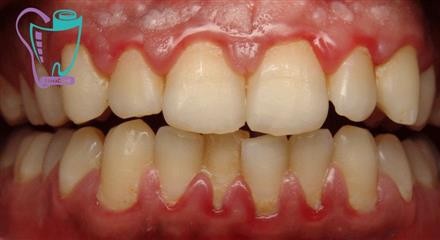
When bad breath or unpleasant taste is continually present in the mouth, it is a danger sign of gingivitis. Dental plaque is exacerbated by gingivitis.
Dry mouth
This is because the salivary flow reduces. A range of causes, including multiple drugs, salivary gland difficulties and ailments, or mouth breathing, decrease salivary distribution.

Tobacco use
Besides inducing depigmentation of the teeth and affecting the body’s overall wellbeing, tobacco often triggers halitus. Tobacco limits the recognization of food flavor potential, and seriously harrows the gum tissue. Smoking individuals are more prone to experience gingivitis, and then have a greater chance of developing oral cancer.
Specific clinical conditions
Many ailments accompany bad breathing, including sinus and lung disorder, bronchitis, diabetes, and certain forms of hepatic and renal disease.
You should certainly consult your dentist if you are stressed about lousy breath and consider the source.


Routine appointments with the dentist mean that he regularly checks the mouth and teeth carefully and quickly recognizes the indications of gingivitis and dry mouth. Be conscious that halitus might be induced by sickness or medical conditions. You could be sent to a specialist if the dentist decides that your mouth’s situation is normal and may not produce bad breath.
Remember the mouthwash prevents bad breath just momentarily. In other terms, mouthwashes serve as a beauty product in this specific situation and have a transient impact, and cannot avoid a long period from halitus.
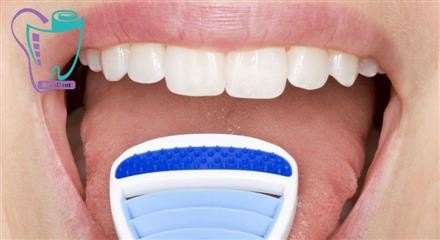

If proper oral care is followed, the gingivitis is managed, and the dentist routinely cleanses the mouth and teeth thoroughly and professionally, so bad breath is minimized. Brush and floss twice and once a day. Clean the surface of your tongue with a toothbrush at the end of your brush.
Take a prosthesis out of your mouth in the evening rinse it well in the morning and put a clean tooth into your mouth.
If you continue to use substances frequently to prevent halitus or so-called exhalation, make sure to visit a dentist for the final examination.

Dr. Masoud Davodian (orthodontist) has more than 12 years of specialized experience in treating all kinds of dental and jaw abnormalities. In addition to having a specialized board, he was a member of the board of directors of Iranian orthodontists and the founder of the Young Orthodontists Association.